

Empty Your Cup: Finding Peace, Growth, and Resilience Through Beginner’s Mind

“You are like this cup—so full of ideas that nothing more will fit in. Come back to me with an empty cup.”
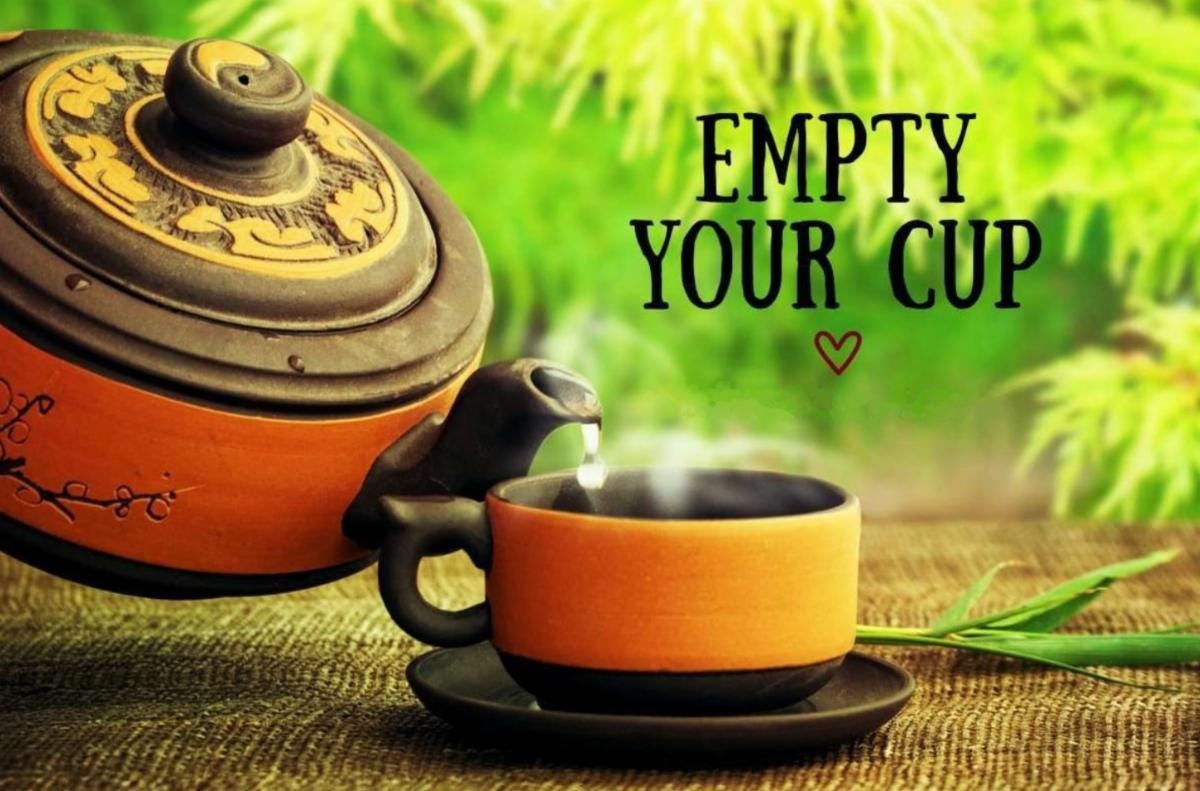
A learned man sought enlightenment from a Zen Master, who welcomed the man and began to speak. But the learned man, brimming with his own knowledge and opinions, constantly interrupted. He failed to listen.
So, the Master calmly suggested that they should have tea. He poured his guest a cup. The cup was filled, yet the Master kept pouring until the cup overflowed onto the table, onto the floor, and finally onto the man’s clothes. The man cried, “Stop! The cup is full already. Can’t you see?”
“Exactly,” the Zen master replied with a smile.
The Knowledge Paradox
There’s something weird at play in the modern world. You’re rewarded for being an expert, for knowing things, for having it “figured out.” Yet it's this very expertise that can hold you back—from growth, from joy, from peace, from learning more. Why?
The knowledge paradox is usually understood as the idea that the more we learn, the more we realize how little we know. To paraphrase Socrates, "I know enough to know I know nothing."
But the converse is also true. The more we know, the more we're convinced we have little to learn. That's why one who already knows everything—or thinks he does—is not teachable. Like the man in the Zen parable.
So, let’s talk about beginner’s mind, lifelong learning, and how to pull these two underrated levers to enhance mental clarity, emotional resilience, and genuine well-being.
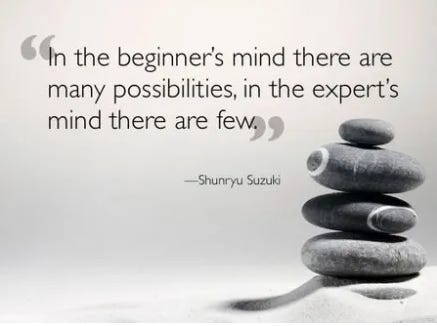
Beginner’s Mind: The Anti-Ego Superpower
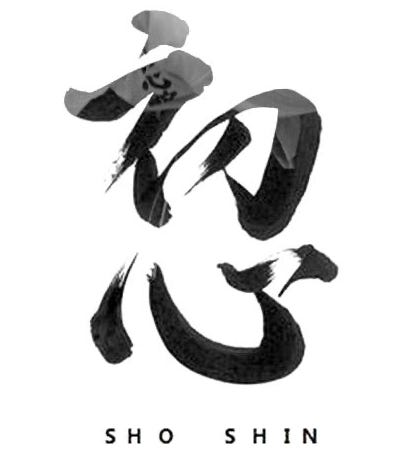
There’s a Zen concept called shoshin—beginner’s mind.
It’s the idea that no matter how much you know, you approach life like a novice. Open. Curious. Humble. Willing to be wrong.
Sounds simple, but in a world obsessed with status, this mindset is a radically subversive act. Why? Because it means releasing your grip on certainty. It means saying, “Maybe I don’t know.” And it means opening yourself to criticism and maybe dropping a notch or two in the eyes of others who thought you had it wired.
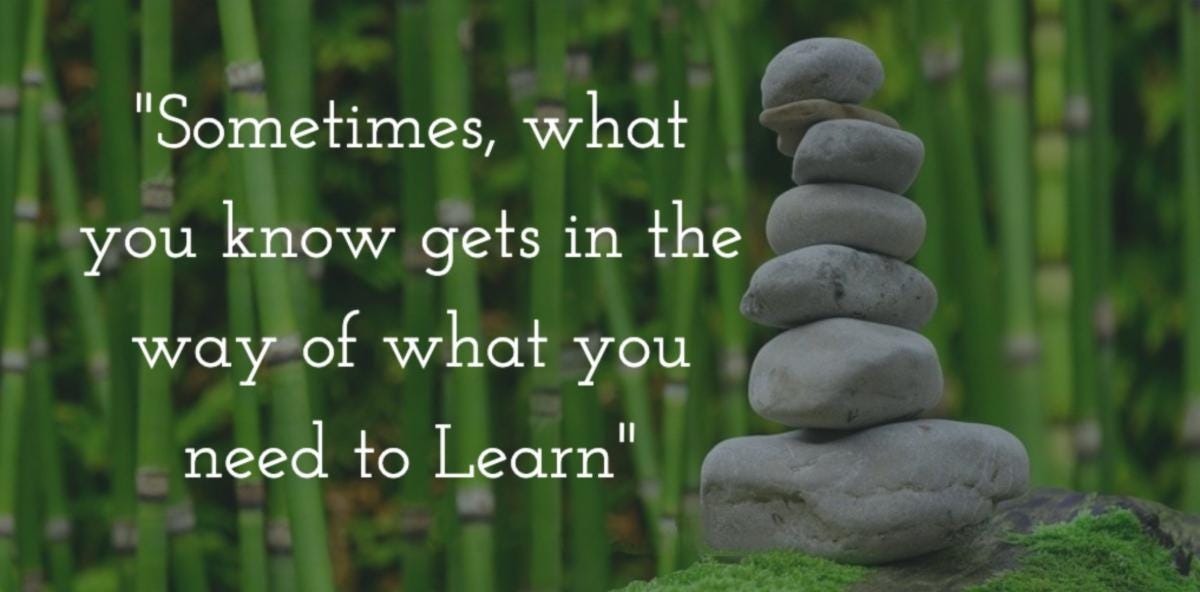
But in that moment, real learning can begin. Because the “expert” generally sees only what they expect. The beginner sees what’s actually there.
Lifelong Learning: Avoiding the “Finished Product” Trap
Some of us approach life as though we were a finished product, fully formed, with all the answers. The antithesis of a lifelong learner.
And it’s easy to understand why, because modern life pushes us toward finality. Get the degree. Lock in the career. Know the answer. Win the argument. Make the money. And once you’ve ticked those boxes, it pushes you to perform on autopilot—endlessly—no questions, no curiosity, just execution.
But here’s the problem: when you stop learning, you start decaying.
This doesn’t just apply to your skillset, it applies to your identity. You get calcified. And worse, you start to believe that you are who you have been, instead of who you could become.
Why This Matters
Here’s where it gets real. Both beginner’s mind and lifelong learning don’t just make you smarter, they make you healthier:
1. Your brain stays nimble. Learning keeps your mind sharp. It builds cognitive flexibility and strengthens neural pathways. Neuroplasticity is real, and it favors those who stay curious.
2. You become less emotionally fragile. If your identity is built on being “the one who knows,” then every mistake feels like a threat. But if you adopt a beginner’s mind/lifelong learner approach, failure becomes feedback. You don’t break—you learn, adapt, and move on.
3. Purpose stops being abstract. Most people chase purpose like it’s a treasure hunt, something to be searched out and found. But the people who feel purposeful are usually the ones who stay engaged with something bigger than themselves—learning, teaching, growing. Purpose is less of a destination and more of a side-effect or by-product.
4. You reconnect with presence. When you’re learning something new, your attention returns to the moment. You stop drifting through life and start participating in it again. There’s something deeply spiritual about that.
How to Actually Live This
Let’s ground this in the real world. Here’s how to start applying these ideas:
Choose curiosity over competence.
Try something you’re bad at. Dance. Juggle. Journal. Learn a language. Don’t aim for mastery—aim for engagement.
Challenge your certainty.
Pick one belief you hold strongly and ask: What if I’m wrong? Not to self-sabotage, but to practice loosening your grip and opening yourself to new possibilities.
Read outside your algorithm.
Your information diet matters. If you only consume things that confirm what you already believe, your world shrinks. Read contrarian thinkers. Listen to people you disagree with—and properly listen.
Talk to people like they know something you don’t.
Because they probably do. Every person is a walking library of experiences that differ from yours. The beginner’s mind approach means walking into every conversation as a student, not a preacher (ahem).
Journal your ignorance.
Ask yourself: What’s something I don’t understand—but would love to? Write it down. Make a list. Then go exploring. Use your not-knowing as fuel.

Final Thought: Your Identity Is a Sandbox
Most people live like their identity is a house they’ve finished—built, decorated, and locked in. But it’s not. It’s more like a sandbox—fluid, playful, iterative, and made to be reshaped. And every time you learn something new or approach life with fresh eyes, you expand it.
That’s the gift of the beginner’s mind. That’s the power of lifelong learning.
People who thrive—emotionally, intellectually, spiritually—are usually the ones who stay open to change. They don’t grip their identity too tightly. They stay willing to explore, rebuild, and evolve.
Because they know: you’re not supposed to be finished. You’re supposed to be becoming.
“You are under no obligation to be the same person you were five minutes ago.” — Alan Watts
REFLECT:
1. Where in my life am I clinging to certainty, and what might change if I approached it with curiosity instead?
2. When was the last time I was a beginner, and what did I learn about myself in the process?
3. What part of my identity feels ‘locked in,’ and what might be possible if I treated it more like a sandbox than a structure?
